
The places a camera cannot go.
Vape and smoke detection, air quality, noise and occupancy — multi-function sensors for toilets, changing rooms and classrooms, alerting in real time and tied to the nearest camera.
One sensor, several jobs
These started as vape detectors and turned into the most useful device in a school or an office, because the same unit answers questions about air quality and occupancy that nobody could answer before.
Vape and smoke
Detects the aerosol signature of vaping, including THC, and alerts named staff instantly.
- Vape and THC detection
- Smoke detection
- Real-time alerts to a rota
- Tamper and obstruction alerts
Air quality
CO₂, PM2.5, TVOC, temperature and humidity — the numbers behind stuffy classrooms and headaches after lunch.
- CO₂ as a proxy for ventilation
- Particulates and TVOC
- Temperature and humidity
- Trends, not just snapshots
Noise and occupancy
Noise level without recording audio, plus motion and occupancy, so you can see how a space is really used.
- Decibel level, no audio recorded
- Occupancy and motion
- Useful for space planning
- Alerts on thresholds you set
How an install runs
Placement decides whether this works. Everything else is a bracket.
Survey
Where incidents have actually been reported, what the airflow is like, and which camera covers the way in and out.
Design
A sensor schedule and alert routing agreed with the safeguarding or facilities lead who will receive them.
Install and commission
Fitted, paired to the nearest cameras, thresholds tuned so the first week is not all noise.
Handover
The people who get the alerts are trained on what to do with them, which is the part that decides whether it works.
One unit, several measurements
No camera and no microphone in the sensor — which is the reason it can go where a camera cannot.
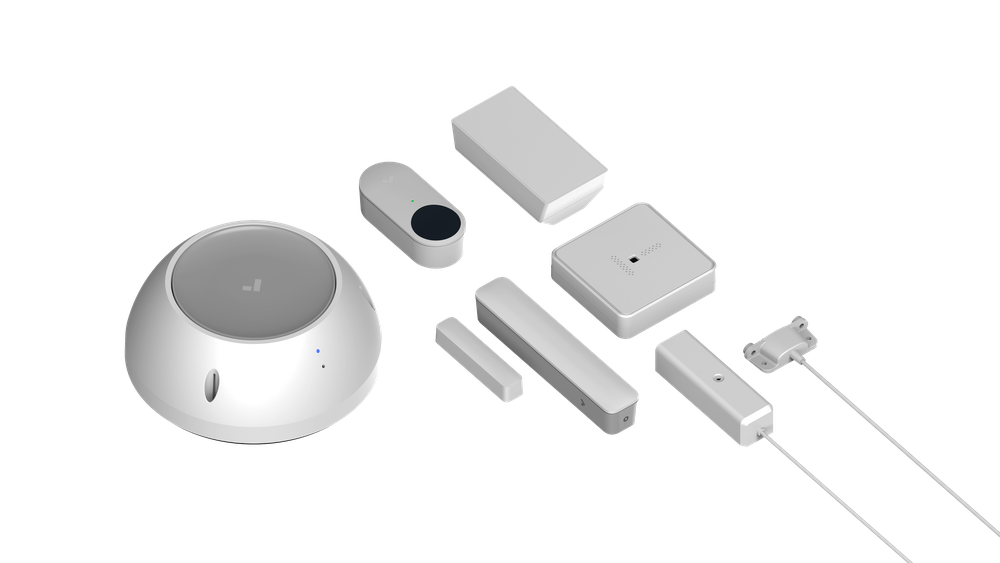
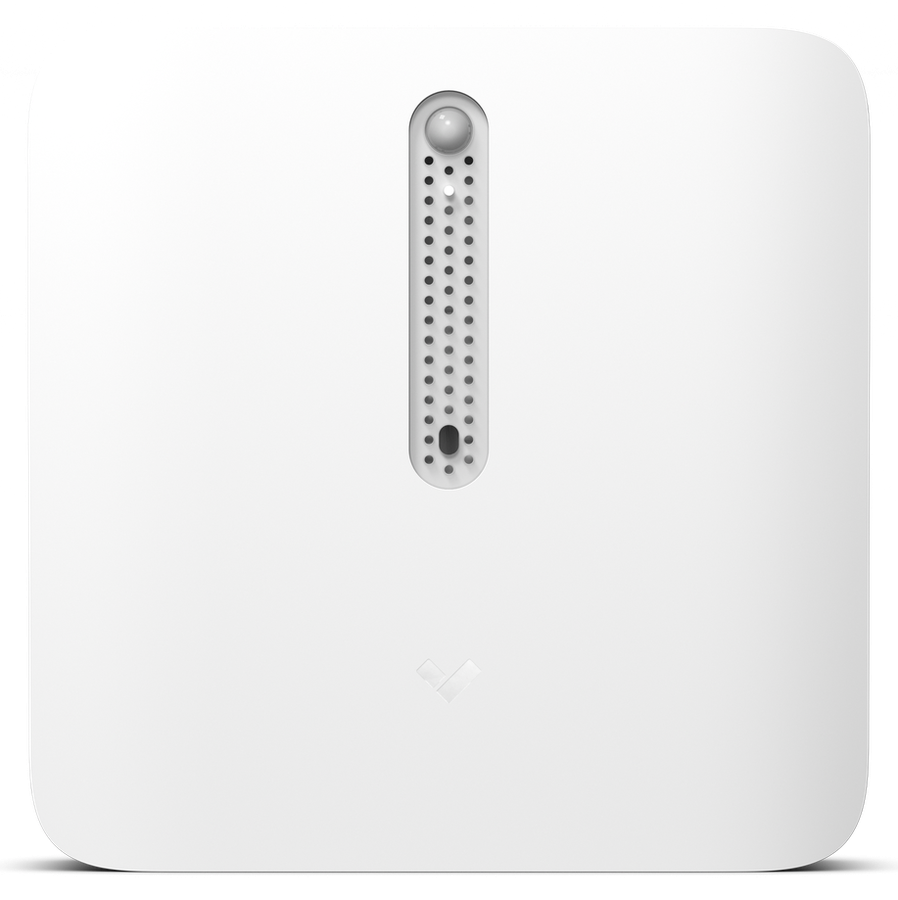
The range: SV23 · SV25 — vape, smoke, air quality, noise and occupancy in one housing
Vape detection in schools
This is the single most requested thing on this page, and the reason is simple: modern e-cigarettes are discreet and odourless, so the traditional method — a member of staff happening to be there — does not work.
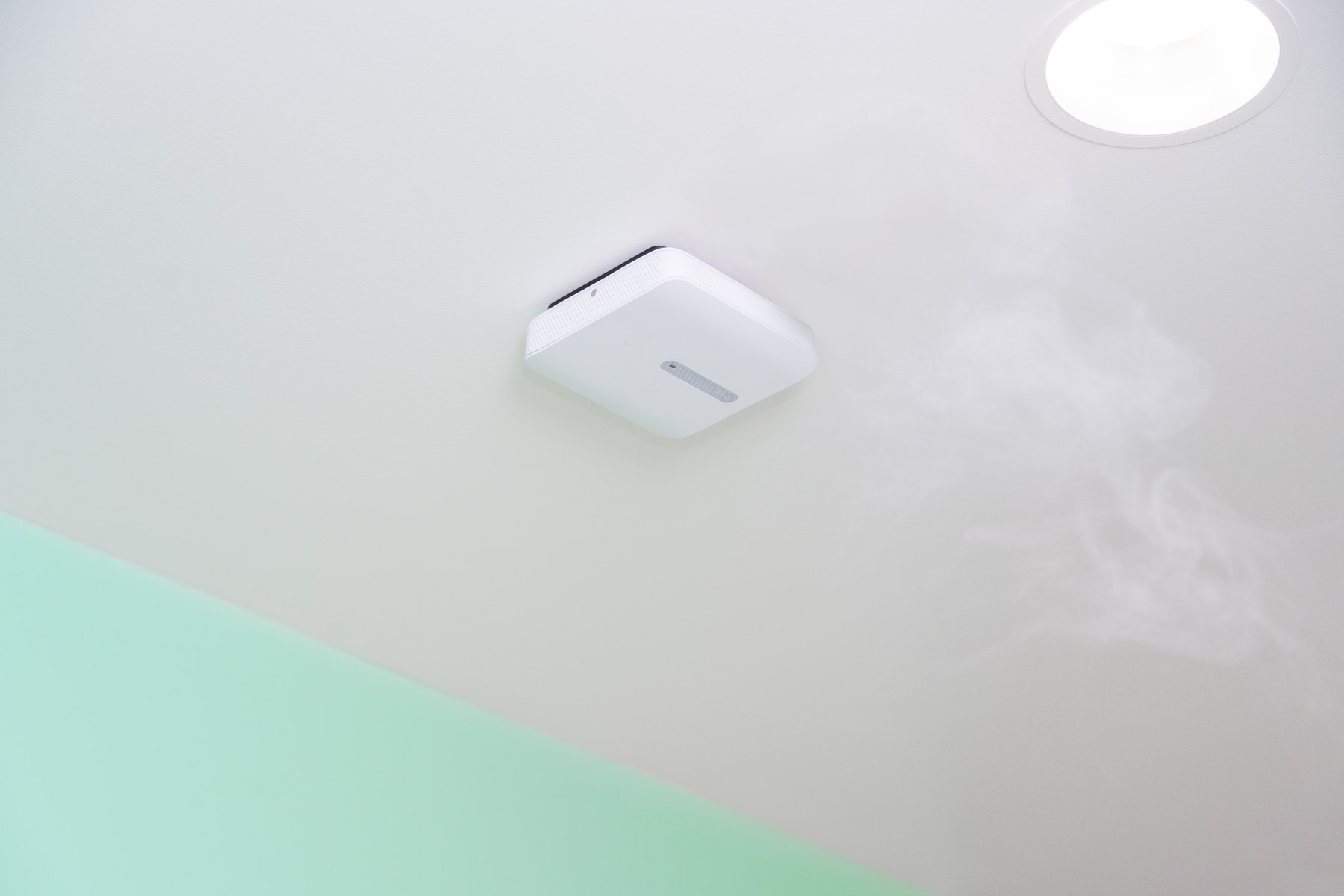
Sensors go where a camera cannot: toilets, changing rooms, boarding house bathrooms. They detect the aerosol signature rather than record anything, alert the safeguarding team in real time, and pull up the camera covering the corridor outside so an incident has a time, a place and a context.
Two live examples. Cranleigh School runs it across a 280-acre boarding campus with 961 pupils; Pipers Corner runs a deliberately targeted deployment in the senior school of a 605-pupil day school. Both are on this site.
What a school usually asks
Does it record in toilets?
No. There is no camera and no microphone in the sensor. It measures the air.
Can it tell who it was?
Not on its own. It tells you where and when, and the nearest camera shows who was in the corridor.
Is it proportionate?
That is your call, and it is worth making deliberately. A targeted deployment where incidents have actually been reported is easier to defend than a blanket one.
Does it deter, or just detect?
Both, in practice. Both schools report the deterrent effect as the bigger result once pupils know it is there.
What makes this different
Targeted beats blanket
A deployment focused where incidents were reported is cheaper, more defensible and just as effective. We will say so even though it is a smaller order.
Tied to the cameras
An alert with no context is an annoyance. Every sensor is paired with the camera covering the approach, so staff see the situation, not just a notification.
Thresholds tuned, not left at default
Aerosol from a deodorant can look like vaping until the thresholds are set. We tune them before handover.
No cameras, no microphones
It is worth being able to say this plainly to parents, staff and unions: the sensor measures air and sound level. It does not record anything.
Common questions
Does it record audio or video?
Where should they go?
Can it tell vaping from an aerosol deodorant?
What do we do with an alert?
Do we need to tell people they are installed?
The rest of the stack
Every service below is delivered by the same team, under one point of responsibility.
Cameras
Hybrid cloud video with analytics built in
Find out moreAccess Control
Doors, credentials and permissions
Find out moreVideo Intercom
See and speak to visitors from anywhere
Find out moreAlarms
Intrusion detection tied to the cameras
Find out moreCommand
The platform all of it runs on
Find out moreWi-Fi & cabling
Surveyed Wi-Fi, structured cabling and multi-site rollouts are handled by our sister company, SEG WiFi — same engineers, same group.
Visit SEG WiFiReady to see it on your own building?
Book a no-obligation site survey. We'll walk it, tell you what the system actually needs, and put a fixed price against a documented design.
Book a site survey Call 01727 822 833Tell us what you need
Send us a few details and one of our engineers — not a call centre — will come back to you within one working day.